
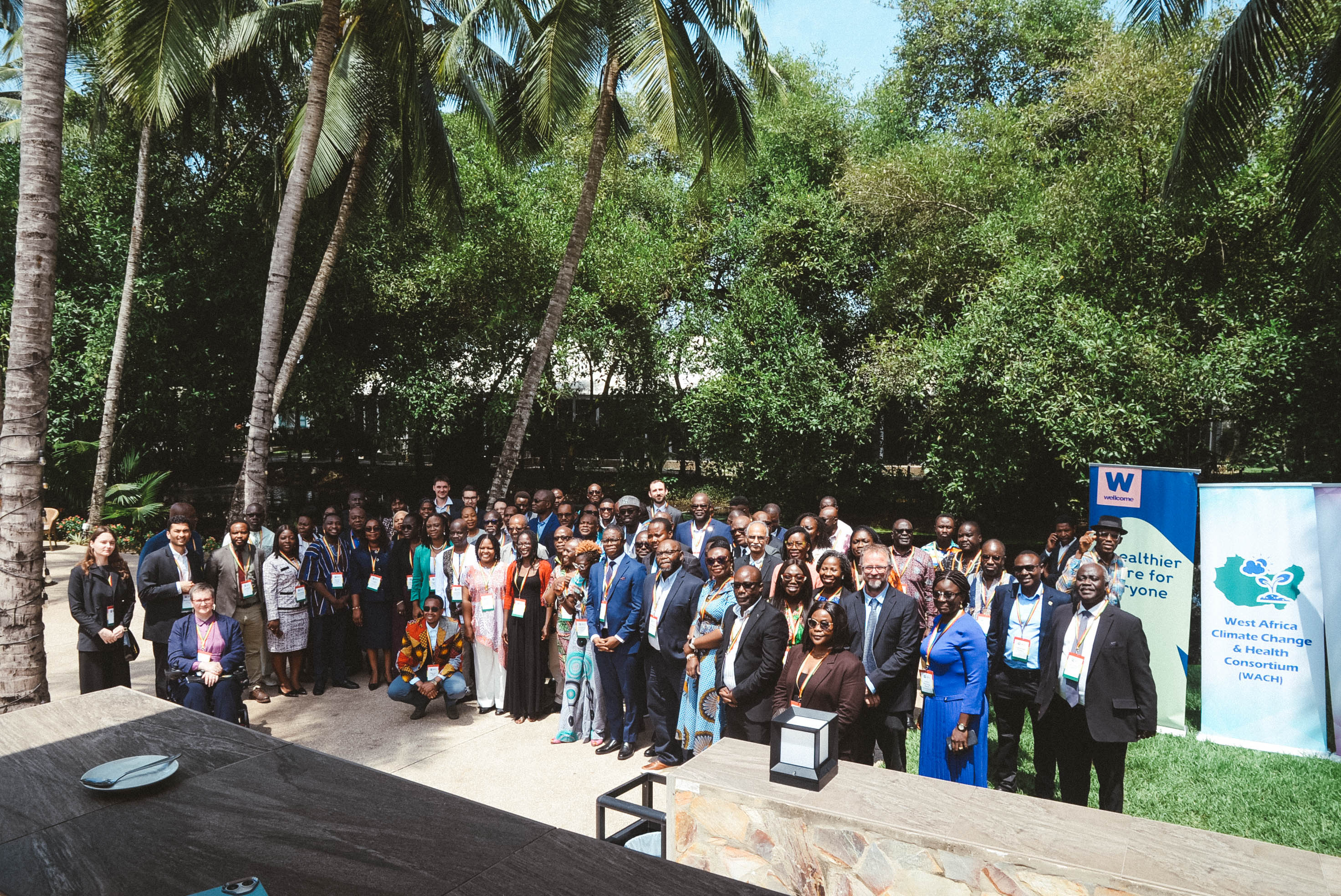
Scientists, policymakers, development partners and community representatives from more than ten African countries have gathered in Accra for the Pan-African Regional Convening on Climate and Health Science and Policy Consortiums in Africa.
It marks the official launch of a continent-wide initiative to strengthen evidence-based responses to the growing health impacts of climate change.
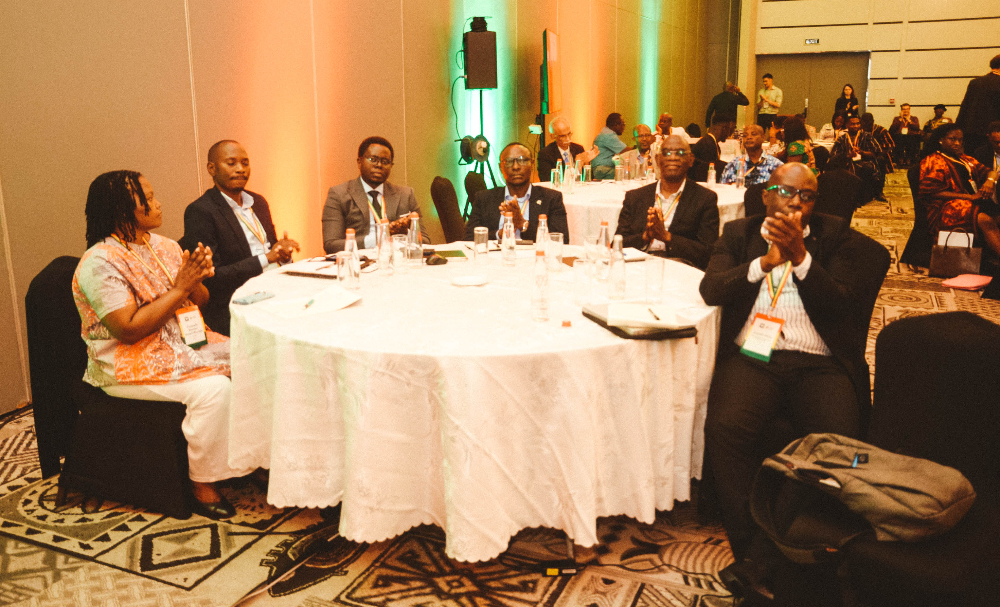
The meeting, jointly organised by the Kwame Nkrumah University of Science and Technology, Kumasi (KNUST) and Wellcome, brings together experts from Africa and the United Kingdom to advance collaboration in climate and health research and accelerate the translation of scientific evidence into policy and practice.
The initiative seeks to strengthen African leadership in climate and health research by fostering partnerships among scientists, governments, communities and development partners.
Background
The convening will officially launch three regional Climate and Health Science and Policy Consortiums across Africa.
KNUST will host and lead the West Africa Climate and Health Science and Policy Consortium, backed by £20 million over five years to coordinate research and policy engagement on the health impacts of heatwaves, dust storms and drought in Ghana and Senegal.
A second £20 million consortium, led by the University of the Witwatersrand in South Africa, will focus on the health and economic impacts of heatwaves and flooding in Southern Africa. Wellcome also plans to establish a third consortium in Eastern Africa, bringing its total investment in the initiative to £60 million.
The programme aims to generate context-specific scientific evidence, strengthen African leadership in climate and health research, expand regional research networks, build the capacity of early-career researchers, and accelerate the adoption of evidence-based policies and programmes that improve public health across the continent.
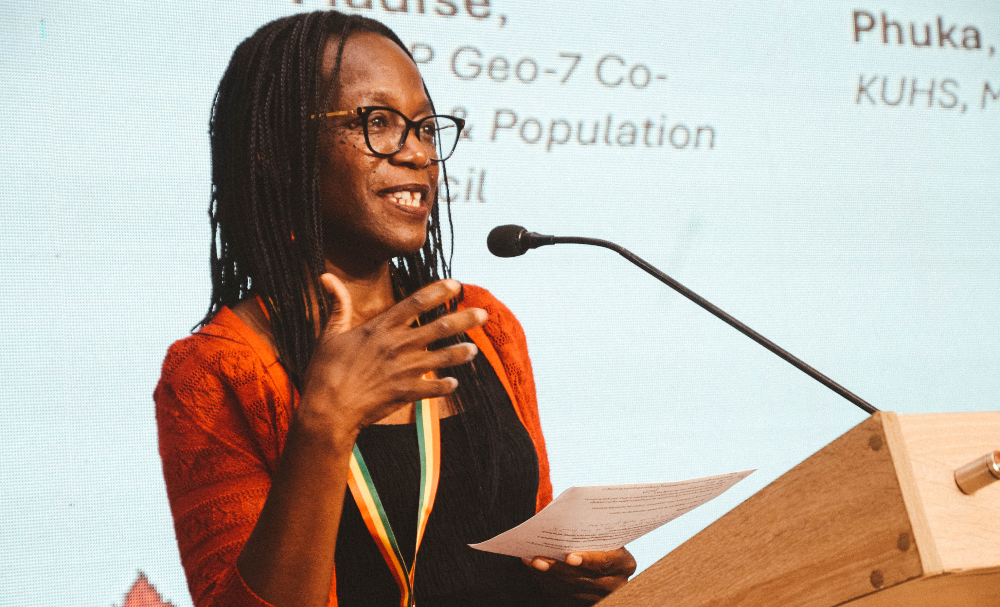
Dr Modi Mwatsama, Head of Capacity and Field Development at Wellcome says:
"We're delighted to launch the new climate and health consortiums in Africa. We want to help build healthier futures for everyone, and that includes ensuring African communities have access to the data, resources and expertise they need to address the climate and health challenges ahead.
“Wellcome is committed to working with partners in Africa who are best placed to develop the regional-specific evidence that supports decision-makers and community action. Both the accelerating crisis in Africa and the capacity for new knowledge, leadership and innovation means that the consortiums have huge potential to improve health and save lives.”
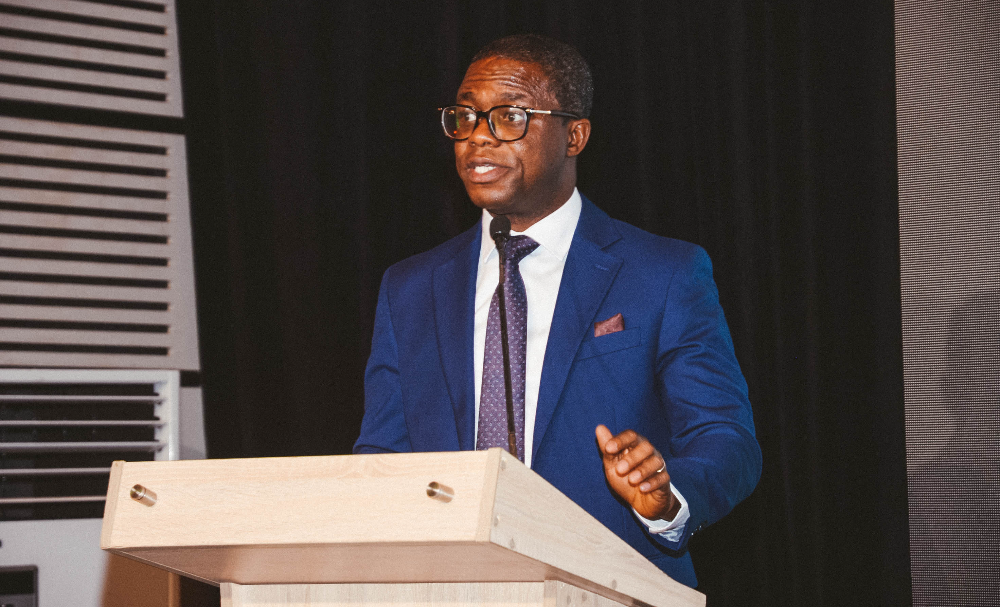
Professor Philip Antwi-Agyei, Kwame Nkrumah University of Science and Technology in Ghana and Western Africa consortium lead says:
“Climate change is an escalating threat to global health and West Africa is among the most vulnerable regions due to high exposure to climate hazards, low adaptive capacity, and fragile health systems. Intensifying climate-related health risks are compounding existing inequities, straining public health systems, undermining food security and disrupting livelihoods, with GDP losses projected to rise significantly across the region.
“The current uncoordinated context-specific policies and systems pose a huge challenge in addressing the risks associated with climate change and health – particularly in respect to heatwaves, dust storms, and droughts on food systems and other health determinants in Ghana and Senegal. The Western Africa consortium based in Ghana will establish a regional approach that brings together physical and social sciences, policy and practice to ensure that evidence is readily translated into tangible actions to benefit people’s health and livelihoods.”
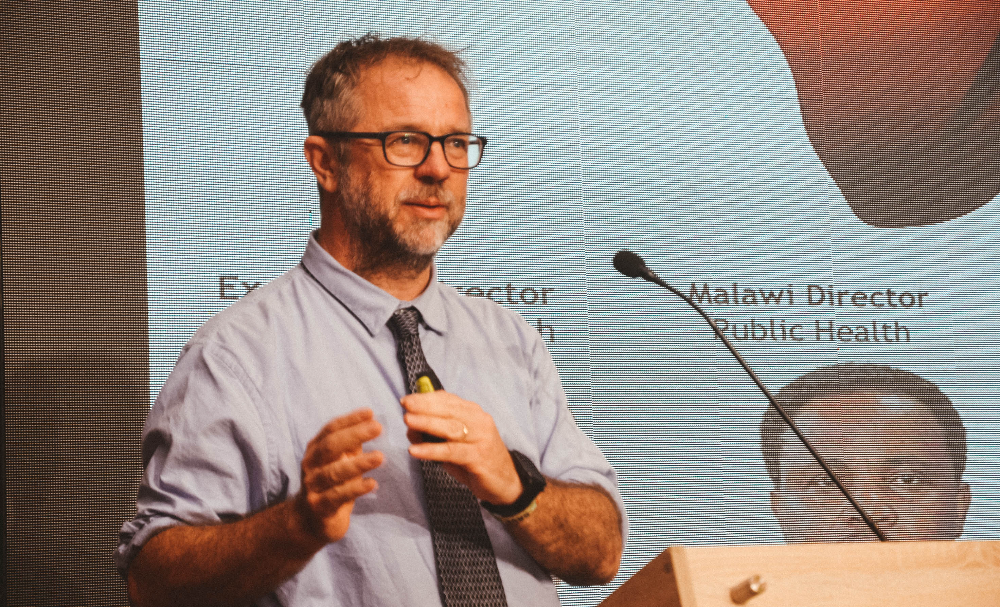
Professor Matthew Chersich, Lead Investigator, Southern Africa Consortium & Wits PHR says:
“Southern Africa faces increasingly severe extreme heat and precipitation events with large numbers of highly vulnerable people, from both socioeconomic and health perspectives. The new consortium aims to overcome the knowledge, policy and financial barriers that constrain progress with care and support services for affected communities. Using a transdisciplinary and multisectoral approach, we will address extreme heat in South Africa and Zimbabwe, and flooding in Malawi, with a focus on delivering solutions that prioritise pregnant women, children, older people and those with chronic conditions.”


